Last week, the SukkhaCitta family gathered in one of our villages in Ambarawa, Central Java.
And it’s not your typical office gathering where we take some time for team bonding and leisure. It is, but at the same time it’s more than that, it is a heartfelt moment because we finally met our Ibus–the backbone of our hard work and effort to run SukkhaCitta.
Have you ever loved something long before you met them? Because that is how it felt when we finally met the Ibus.
Learning from the Ibus
Most of us knew the Ibus through pieces of paper. Production reports. Order sheets. Photos of finished cloth. Or even photos from our blogs and social media. We talk about them in meetings, plan around their harvests, and put their work into the world. But knowing someone’s work is not the same as standing beside them while they do it.
So we put down our laptops and picked up what the Ibus uses every day: seeds, wax, and a dye vat. For two days, we lived with them. Shared a meal with them, slept in their homes, and just felt all the love we finally could see and hug. We were students, and the Ibus were our teachers.
Meditating with wax
In English, the word membatik is generally translated as "to make batik" or "to do batik". It’s the process of creating batik art using wax-resist dyeing. In Bahasa, we called it “membatik”. And somehow it felt poetic, as if this is one of those things we did because the previous generation preserved the art.
The Ibus taught us that Batik is not the motif, it is the process.
Each line is drawn by hand with hot wax, one steady movement at a time. The Ibus makes it look effortless, while our first lines wobble. Our wax dripped. Someone’s flower turned into something we politely decided was “abstract.”
But the Ibus did not laugh at us. With so much love and patience, they adjusted our hands, slowed us down, and told us to breathe. It reminded us that this craft is not just skill. It is patience, attention, and a quiet kind of faith in what the cloth will become.
 “If I had more time, I'd spend the entire day practicing and refining my batik skills. What looks effortless when watching the Ibus work turns out to be far more intricate than I thought. As a designer, it was a humbling experience to step into the process myself and gain a deeper appreciation for the artistry, patience, and craftsmanship that goes into every piece of fabric.” - Natasha, Senior Designer
Where the SukkhaCitta blue begins
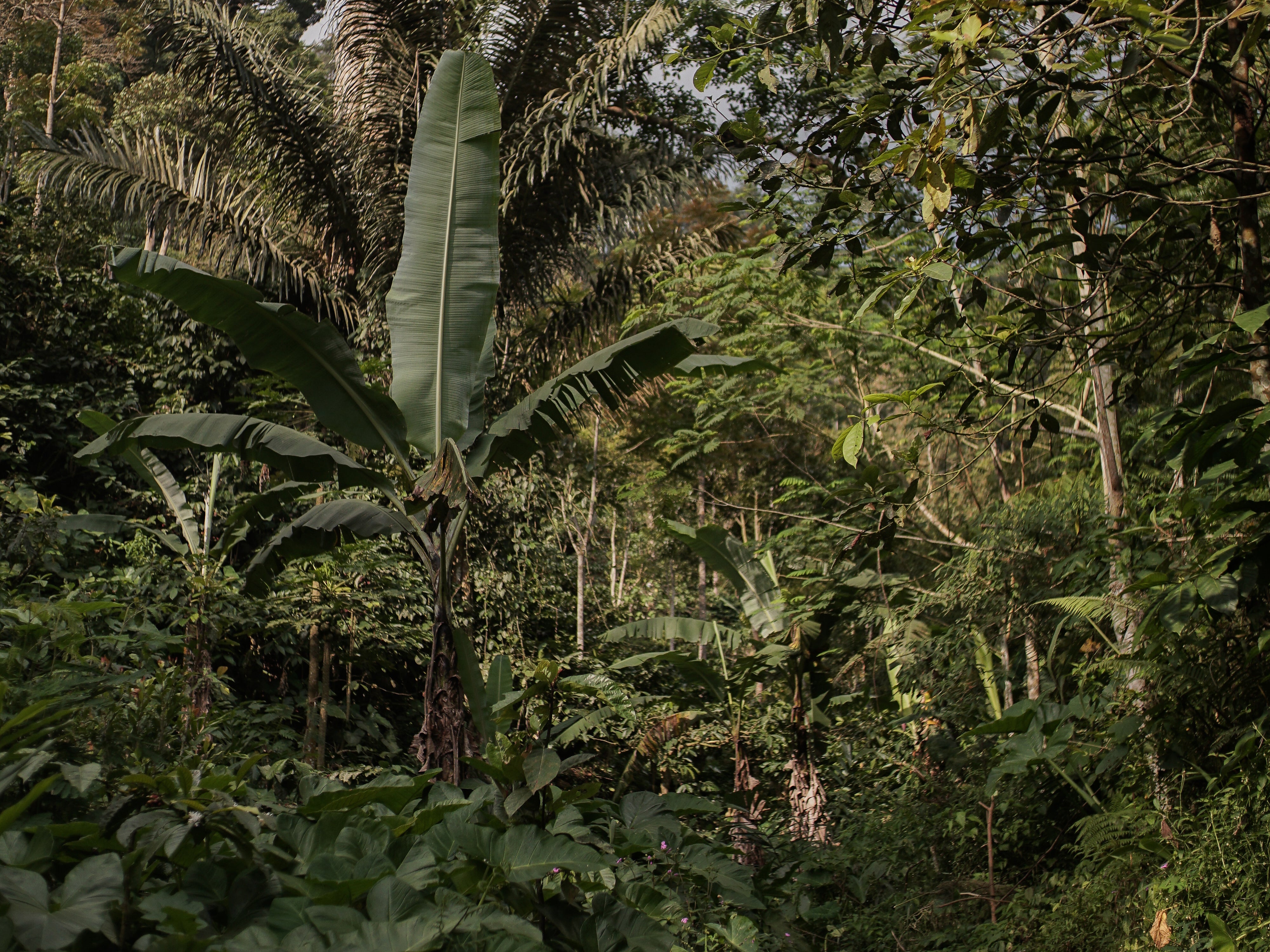
Before there is blue cloth, there is a plant. We started early in the morning and went to the fields where indigo grows with the indigenous regenerative Tumpang Sari farming method.
Saiful was our host, our teacher, and our chef during our stay in Ambarawa. But above all, he is the electricity that runs SukkhaCitta’s ecosystem in Ambarawa. Together with his wife, Ibu Ani, he showed us how to harvest the indigo and shared the process of how the green leaf turns into a blue paste of natural dye.
 We learned that the color on our clothes does not start in a dye pot. It starts in the soil, with the same land and the same hands that grow the rest of our fibres. This is what we mean by farm to closet. Standing in the field, it stopped being a slogan and became something we could touch.
 “Every day I hold clothes that are produced in the villages, but now I finally had the chance to see how its color is made. I learned how to harvest indigo to get a good color, that green is the first color to appear, and that a deep blue takes many rounds of dipping. It is amazing how nature provides all of this for us.” - Kartini, Studio Tailor
The magic of Indigo dyeing
Then came the part we had been waiting for: dyeing our own kain.
We dipped the cloth into the vat and lifted it out. At first it looked green, nothing like the blue we expected. But as the air touched it, the color slowly changed and deepened into indigo right in front of us.
We dipped, waited, and dipped again, because blue does not come in one try. Our hands ended up stained but we did not mind.


We went to Ambarawa to meet the Ibus. We came back with a better understanding of what we do.
Every piece we make carries hours of patience that we now understand a little better. Every decision we make, from design to pricing to how we talk about our clothes, should honor that.
 “To me, making batik cloth yourself feels like a very precious journey toward the finished piece. The process is long, and it even includes harvesting the indigo leaves by hand to get the blue base color. Then the cloth that has been waxed is dipped into the dye made from those same indigo leaves. Every stage left a deep mark on me, and it is hard to forget.” - Obi, Sales Associate in our sanctuary in ASHTA District 8

To all our Ibus, thank you for opening your homes and your hearts to us. You showed us that cloth is not only made, it is cared for, one patient hand at a time.
We loved your work long before we met you. Now that we have, we carry home something more: your warmth, your patience, and the quiet strength in everything you do. Now we love you, too.
With love,
The SukkhaCitta Team
Our blues come from the Strobilanthes cusia leaves, grown in sacred forests surrounding our villages and fermented in mountain spring water. Famous for its medicinal and antiseptic properties, our natural Indigo pieces cool you down while letting your skin breathe.
ANGKASA is one of our collections with the most indigo dyed collection.